SEMIMETALLIC BRAKE PADS
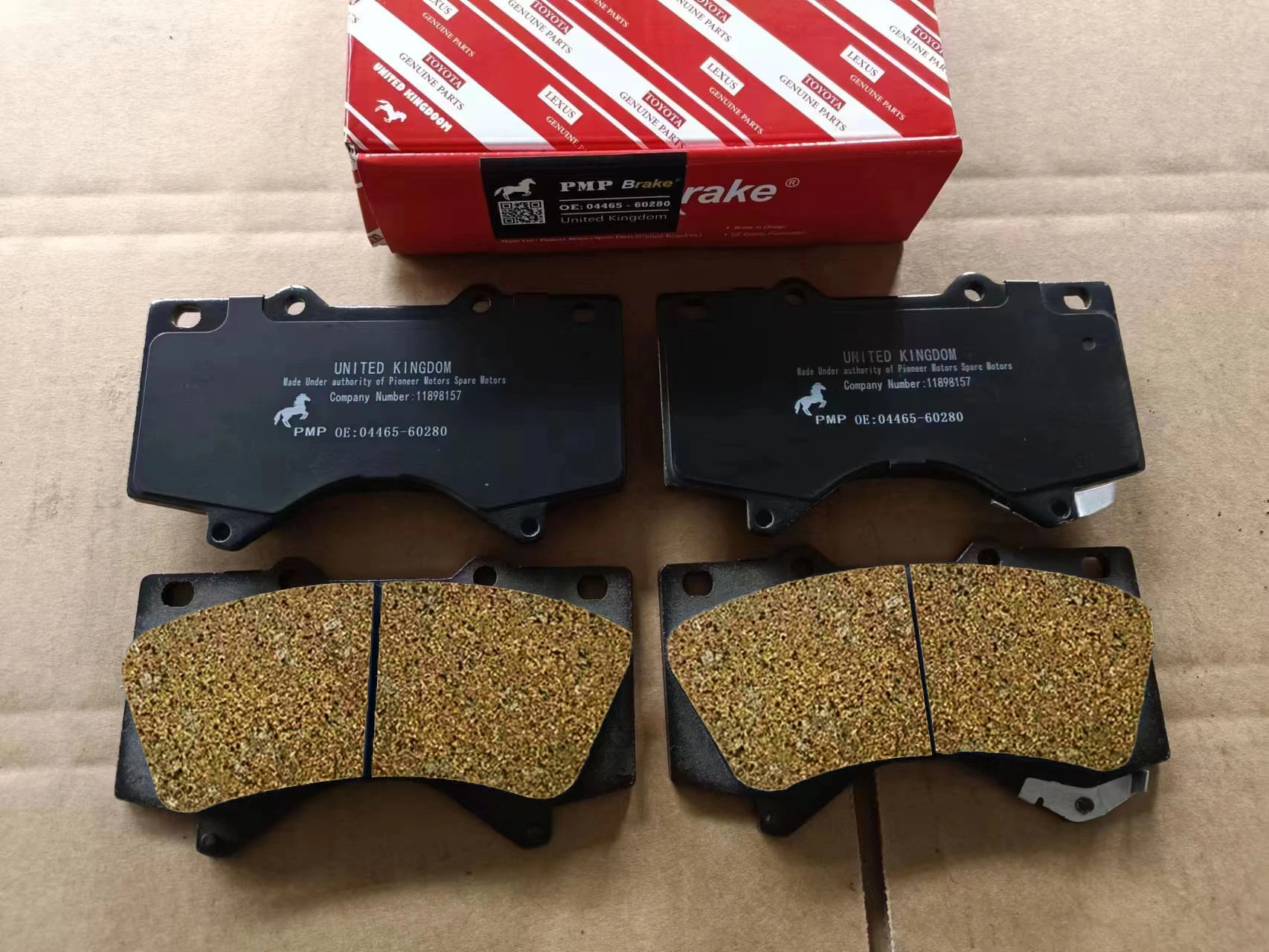
The authentic setting of brake pads follows as far as possible back to the last piece of the 1800s when ferodo, the really current grinding brake pad material, was envisioned. This evident a critical improvement from earlier brake pads made of cowhide.
During the 1900s, asbestos began being used in brake pads, giving better power resistance. Nevertheless, in view of prosperity concerns, asbestos was killed of Brake Pads in numerous countries by the 1990s.
The progression of new materials and combinations changed brake pads during the 1900s. Stoneware increases offered better execution, while hustling applications drove improvement for world class execution brake pads.
Even more lately, the accentuation has been on innocuous to the environment normal brake pads using escalates like flexible, kevlar, glass fiber, and carbon strands. These outfit a comparable level of execution with less impact on the environment.
Huge progressions consolidate the headway of new crushing materials, further created heat dispersal, reduced upheaval, and combinations smoothed out for different vehicle applications. By and large, pad development has progressed hugely - from cowhide pads to state of the art materials for ideal ending power.
Comments
Post a Comment