SEMIMETALLIC BRAKE PADS
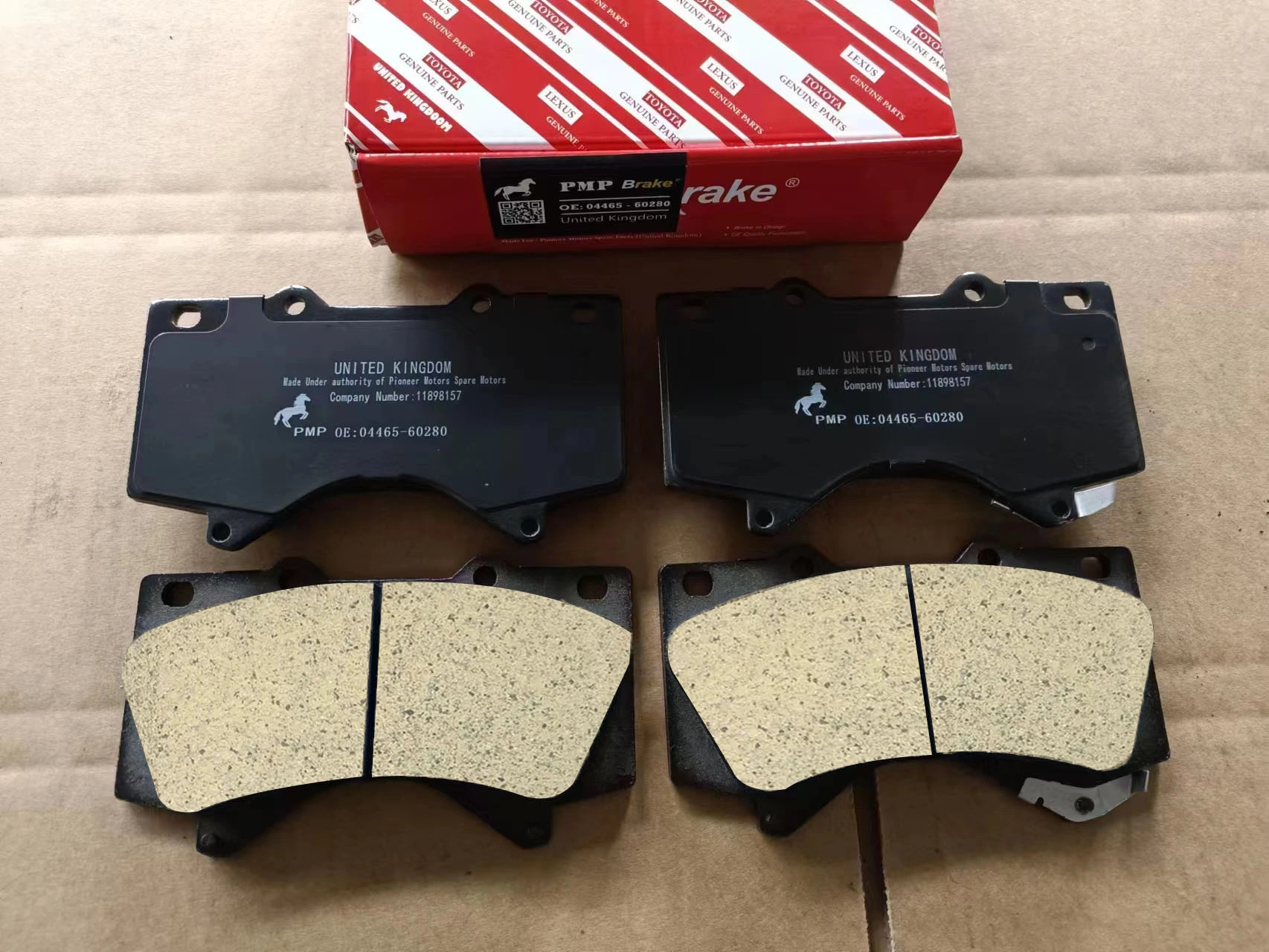
The historical backdrop of brake cushions traces all the way back to the last part of the 1800s when ferodo, the main current grating Brake Pads material, was imagined. This undeniable a significant improvement from prior brake cushions made of cowhide.
In the mid 1900s, asbestos started being utilized in brake cushions, giving better intensity opposition. Be that as it may, because of wellbeing concerns, asbestos was eliminated of brake cushions in many nations by the 1990s.
The advancement of new materials and mixtures changed brake cushions during the 1900s. Earthenware intensifies offered better execution, while hustling applications drove development for elite execution brake cushions.
All the more as of late, the emphasis has been on harmless to the ecosystem natural brake cushions utilizing intensifies like elastic, kevlar, glass fiber, and carbon strands. These furnish a similar degree of execution with less effect on the climate.
Significant advancements incorporate the advancement of new grinding materials, further developed heat dissemination, diminished commotion, and mixtures streamlined for various vehicle applications. Generally speaking, brake cushion innovation has advanced colossally - from cowhide cushions to cutting edge materials for ideal halting power.
Comments
Post a Comment